Bathroom & Shower Tile
Wet areas done properly — waterproofing first, tile second.
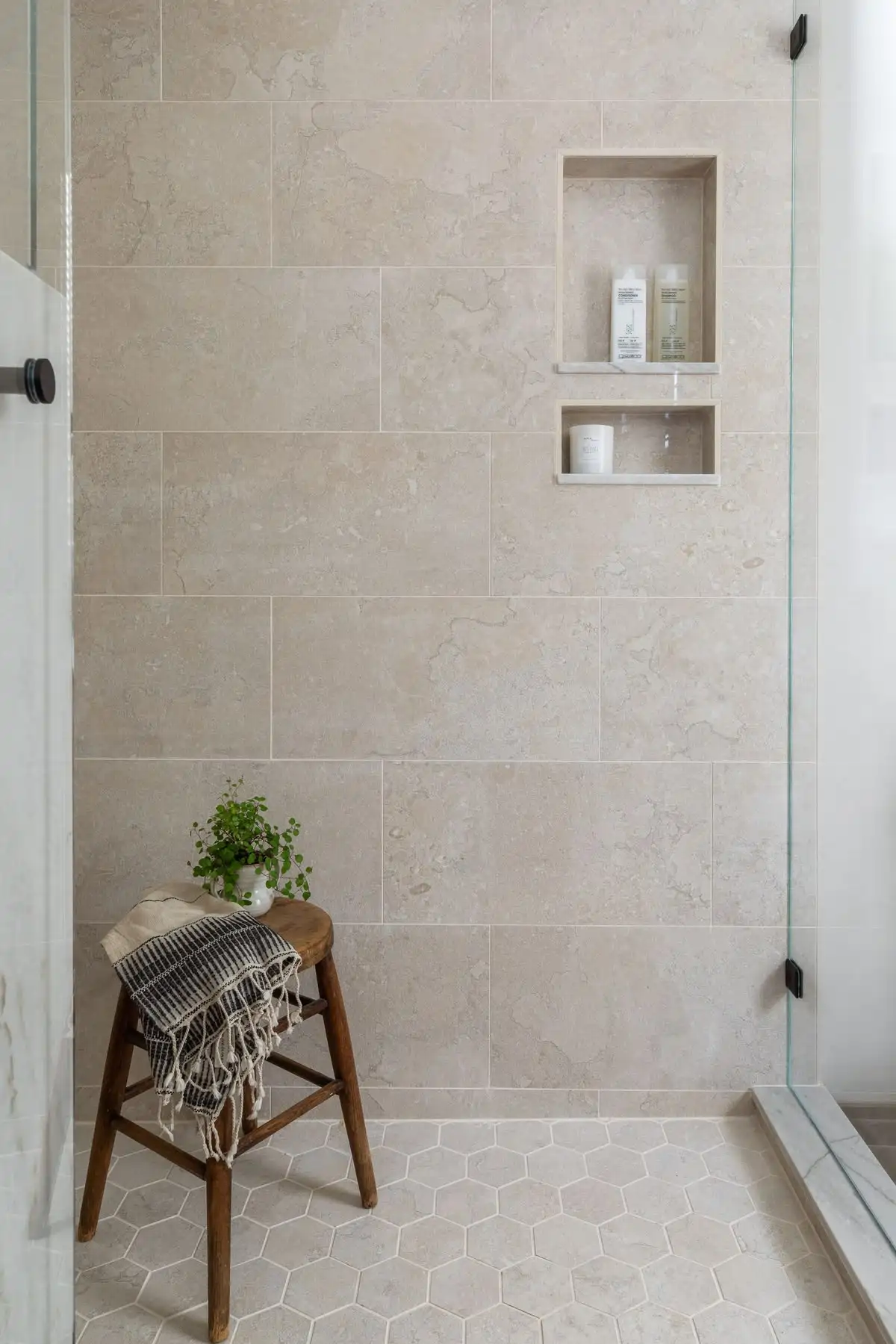
Why Wet Areas Are Different
Bathroom and shower tile involves more than setting tile on a flat surface. Water intrusion behind tile is the most common cause of structural damage in residential bathrooms — rotted framing, mold in wall cavities, and failed shower pans. The tile itself is the last line of defense, not the first.
We apply a waterproofing membrane to all shower walls and floors before any tile goes up. The specific membrane depends on the substrate and the shower type: sheet membranes for pre-sloped shower pans, liquid-applied membranes for walls and curb areas. Every seam and corner is embedded and sealed. This is not a step we skip to save time.
Shower floor tile also requires a proper slope toward the drain — 1/4 inch per foot is the standard. We build or verify this slope before setting floor tile. A flat shower floor holds standing water and accelerates grout deterioration.
What a Bathroom Tile Job Includes
Shower Installation
- Substrate inspection and repair
- Waterproofing membrane on walls and floor
- Slope verification or construction
- Wall tile setting and grouting
- Mosaic or small-format floor tile
- Built-in niche framing and tile (if included)
- Grout sealing
Bathroom Floor and Walls
- Subfloor assessment and underlayment
- Floor tile setting with consistent joint lines
- Wainscot or full-height wall tile
- Tub surround tile
- Transition strips at doorways
- Grout color selection and application
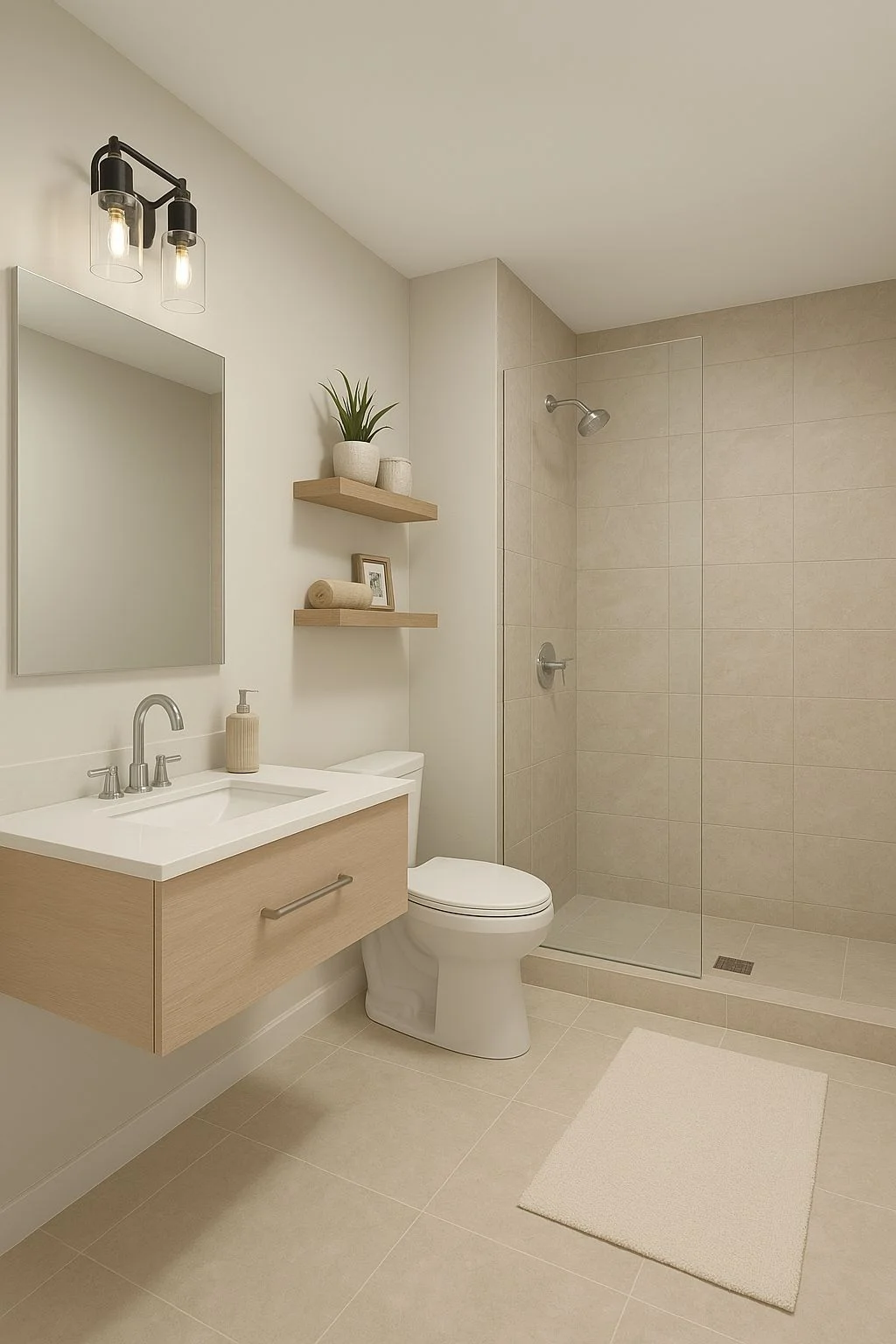
Bathroom Tile in These Communities
We install bathroom and shower tile across the south Denver metro. Each area has its own typical bathroom configurations — from compact mid-century bathrooms in Sheridan to larger primary suites in Cherry Hills Village.
To schedule a walkthrough and get a written estimate, call (970) 592-5442 or visit our contact page.